Have you ever wondered why some marketing works better than others? You have the asthenic down, your branding is on point, but you’re still not performing as well as your competitors. They aren't necessarily outperforming you because their products are better; they’re outperforming you because they are designing their strategy around how the human mind naturally processes choices. It’s time to take a step back from the creative and look at the psychological side of marketing.
Yes, marketing psychology is a real thing that many top brands use to direct the outcome they want. In order to do this, you need to understand how people think, feel, and make decisions.
There are dozens of psychology tactics used in marketing, but for the sake of everyone’s attention span, I’m going to focus on five popular principles of persuasion.
Anchoring Effect Principle
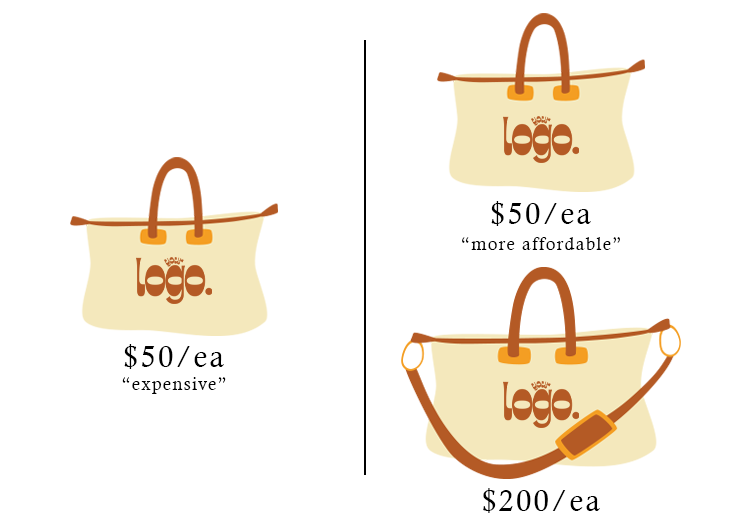
People tend to latch onto the first fact they see or hear and that becomes their reference point.
Share one of your more expensive pieces first and others will appear more affordable by comparison.
Decoy Effect
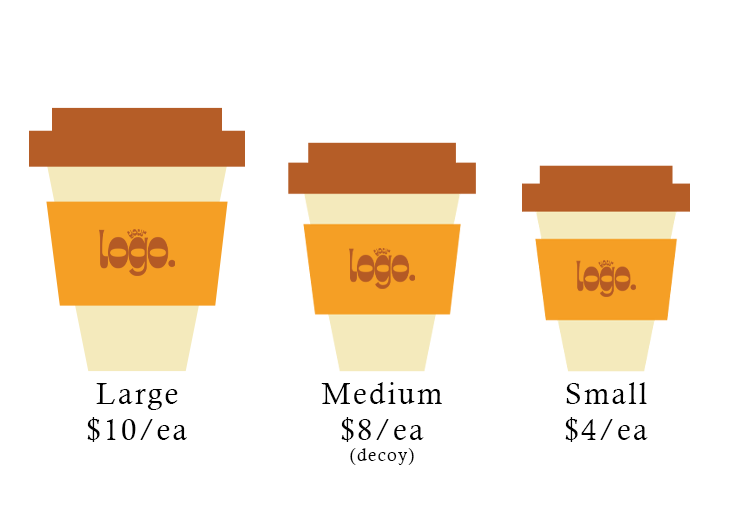
People change their mind on two options when a third, less attractive option is presented.
The beloved Good, Better, Best can bump someone from buying a good product to the best one.
Framing Principle
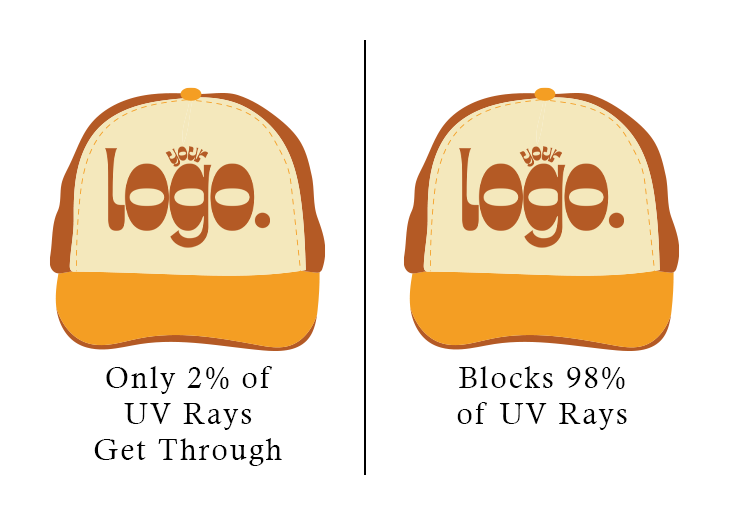
People’s decisions are heavily influenced by how information is presented, instead of the information itself.
Showcase offers and features in a favorable way.
Loss Aversion Principle
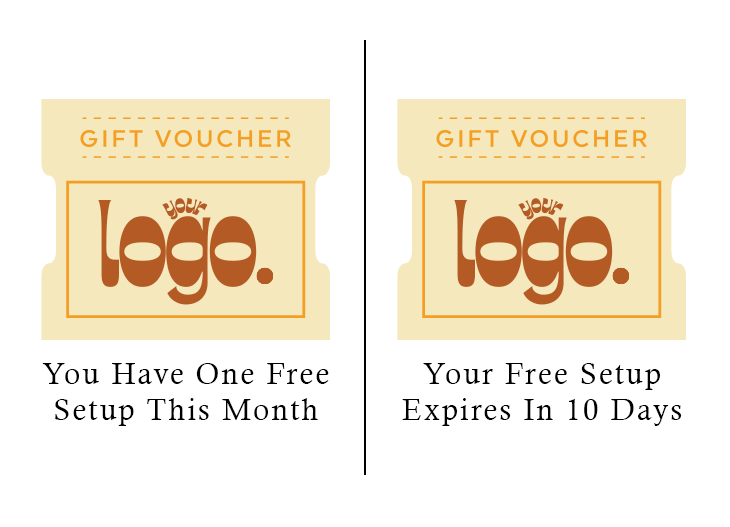
People strongly prefer avoiding losses over acquiring gains.
Frame your offer around what they will miss out on if they do not take action.
Scarcity Principle
People place a higher value on things that are rare, exclusive, or difficult to get.
Create a sense of distance by showing your products in an aspirational setting to make the product feel more exclusive.

Here are three honorable mentions to topics I’ve already discussed in previous articles.
Call-To-Action
Urging an immediate response with a conversion.
Read here: Are You Calling Your Customers To Action?.
Color Psychology
How color hues influence human behavior.
Read here: The Value of Color.
Emotional Marketing
Using emotional appeal (there are many) to get noticed.
Read here: You’re Losing Your Clients With Your Marketing.
Our brains are constantly navigating a massive wave of information every single day, looking for shortcuts to make quick decisions. If you want your brand to stand out, stop leaving those decisions up to chance. Start leaning into marketing psychology, align your messaging with how people actually think, and guide them directly to your brand.